
Gymnastic rings are one of the most versatile tools in calisthenics — and one of the most intimidating to unpack for the first time. Unlike a fixed bar, rings move, which makes every exercise harder but also builds stabilizer strength that bars simply can't. Here's how to get set up and what to actually do once they're hanging.
Setting Up Your Rings
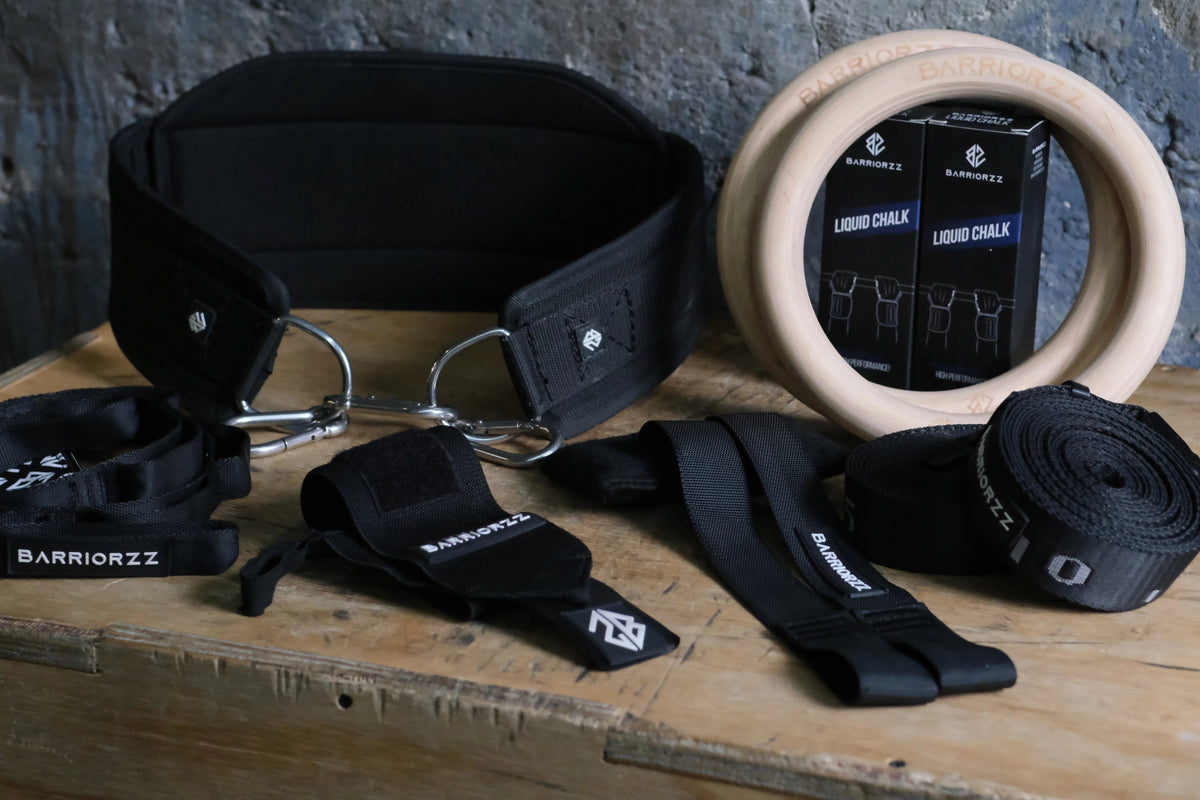
The Athlete Rings Set works on almost anything sturdy enough to hold your bodyweight with a safety margin: a pull-up bar, a tree branch, a playground frame, or a home rig. A few setup basics:
- Strap length matters. For most beginner exercises (rows, support holds, dips), you want the rings roughly at or slightly above hip height when standing. For pull-ups and muscle-up work, you'll want them higher — closer to full arm extension overhead.
- Check for wobble before you load weight. Give the straps a firm tug test before your first rep of each session.
- Start with shorter sessions. Ring stability recruits stabilizer muscles you don't use on fixed bars — expect more shoulder and forearm fatigue early on, even if the movements feel "easy" in isolation.
Your First 5 Ring Exercises
1. Ring Support Hold
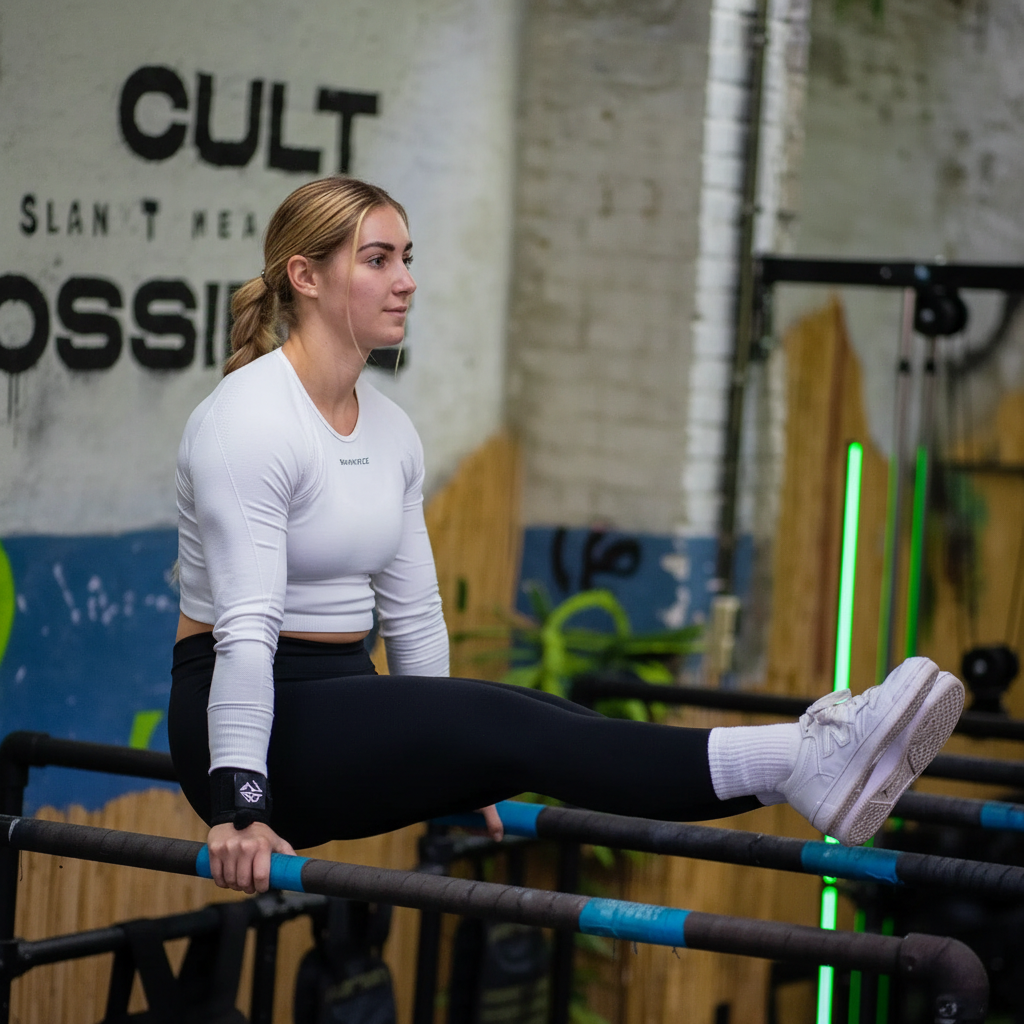
Push up into a straight-arm support position, rings turned out slightly, shoulders down and back. Hold for time. This single exercise teaches your body the stability rings demand before you add any movement.
2. Ring Rows
Set the rings low (waist height), lean back with feet on the ground, and pull your chest to the rings. Adjust difficulty by changing your foot position — feet further out is easier, feet directly under the rings is harder. The foundational pulling movement for ring training.
3. Ring Push-Ups
Same as a standard push-up, hands on the rings instead of the floor. The instability forces your chest, shoulders, and core to work harder to keep the rings from drifting apart.
4. Ring Dips (Supported)
Once you're comfortable with the support hold, add slow, controlled dips — lowering only as far as your shoulders allow without pain, then pressing back up. Go slow here; ring dips load the shoulders differently than bar dips.
5. Bulgarian Ring Rows (Advanced Row Progression)
An elevated-feet version of the ring row, once standard rows feel too easy. Feet up on a bench or box, body in a straight line, pull to the rings. A natural bridge toward pull-up strength.
What Comes After This
Once these five feel controlled, most people progress toward ring pull-ups, straight-bar dips, and eventually muscle-up work. If you're also building general upper-body pulling and pressing strength alongside rings, a Resistance Band Set is a natural complement — bands help you scale ring pull-ups the same way they help with bar work.
Ready to start? Grab the Athlete Rings Set and build from here.