
Getting into calisthenics can feel overwhelming once you start looking at gear. Between belts, rings, parallettes, and chalk, it's easy to wonder what you actually need versus what's just nice to have. This guide breaks down every category of calisthenics equipment, what it's for, and where to start if you're just getting into the sport.
What makes calisthenics equipment different from a regular gym setup
Calisthenics is built around bodyweight training, so the equipment supports and extends what your body can already do rather than replacing it with machines. That means most calisthenics gear is small, portable, and relatively inexpensive compared to a traditional home gym. You're not buying a rack of dumbbells — you're buying a handful of tools that unlock new exercises and let you progress further with the movements you already know.
The core equipment categories
Weighted belts (dip belts)
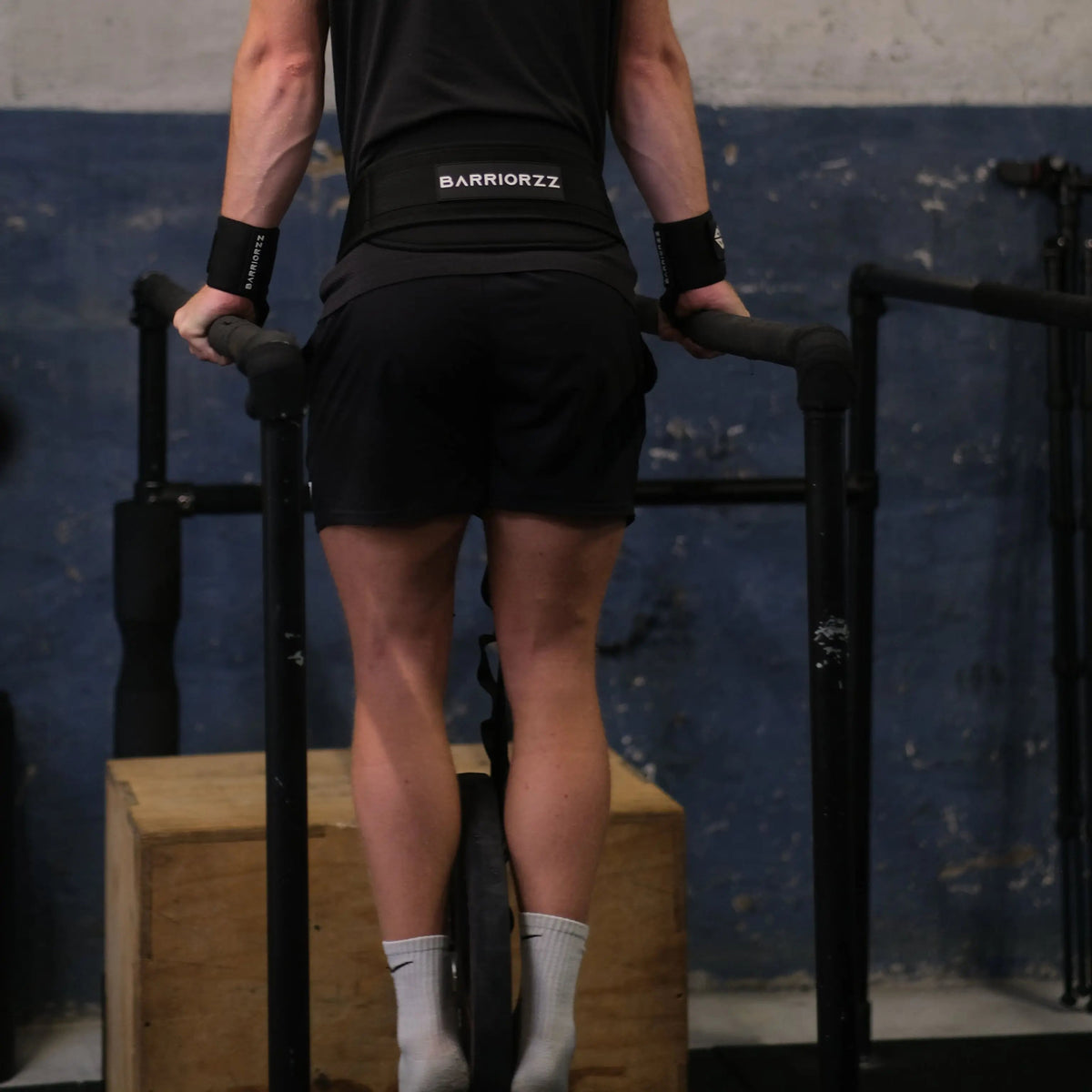
Once bodyweight dips and pull-ups get too easy, a dip belt lets you add external weight in a controlled, comfortable way. It's typically the first piece of equipment serious calisthenics athletes add, since it directly extends the two most fundamental strength movements: dips and pull-ups. Both the Dip Belt Pro and Premium Dip Belt fall into this category, differing mainly in build and attachment style.
Gymnastic rings
Rings are one of the most versatile pieces of equipment you can own. You can hang them almost anywhere and use them for pull-ups, rows, dips, and push-up variations, all while adding an instability component that recruits far more stabilizing muscle than a fixed bar would. The Athlete Rings Set is a common starting point for beginners because of how many exercises it unlocks from a single, compact piece of gear.
Parallettes
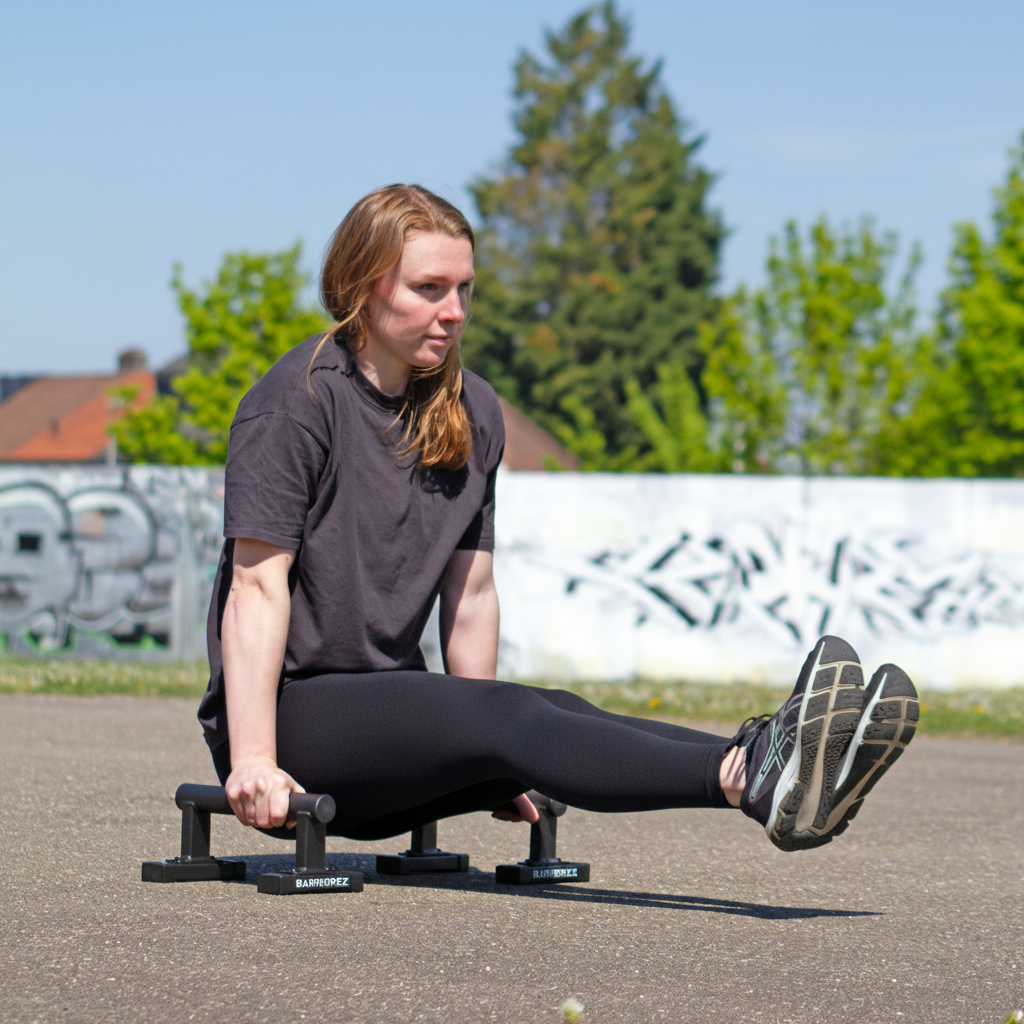
Parallettes are raised handles used close to the ground, mainly for L-sits, planche progressions, and deeper push-up variations that aren't possible with your hands flat on the floor. They're less essential on day one than a dip belt or rings, but become increasingly valuable as you move into more advanced static holds. The Parallettes Go is built for portability, while the Parallettes Pro is a sturdier option for home use.
Resistance bands
Bands serve two opposite purposes depending on how you use them: they can assist you into movements you can't yet do unassisted, like a first pull-up, or add extra resistance to bodyweight movements that have become too easy. This dual function makes the Resistance Band Set one of the most beginner-friendly purchases you can make, since it's useful at almost every level.
Grip accessories: chalk and wrist wraps
Chalk keeps your hands dry and improves grip during rings, pull-ups, and dip work, which matters more as the weight or duration of your sets increases. You can choose between Liquid Chalk for convenience or Chalk Blocks for a more traditional feel. Wrist Wraps add support and stability under load, particularly useful once you start adding weight with a dip belt.
Conditioning tools
Not all calisthenics equipment is about static or pulling strength. A Battle Rope is a simple way to add conditioning and explosive upper-body work to a calisthenics routine without needing cardio machines.
What to buy first, in order
If you're starting from zero, here's a sensible order to build up your equipment:
- Gymnastic rings — the single most versatile piece of equipment, covering pulling, pushing, and core work
- Resistance bands — cheap, useful immediately whether you're assisting or adding resistance
- Dip belt — once bodyweight dips and pull-ups start feeling easy
- Parallettes — for progressing into L-sits and planche work
- Chalk and wrist wraps — small accessories that improve comfort and grip as your training intensifies
Conclusion
You don't need to buy everything at once, and you definitely don't need a garage full of machines to make real progress in calisthenics. Start with rings and bands, add a dip belt once you're ready for progressive overload, and build out from there as your training demands it. If you'd rather skip the guesswork entirely, the Complete Calisthenics Bundle brings the core essentials together in one order.