
Why the attachment style matters more than you'd think
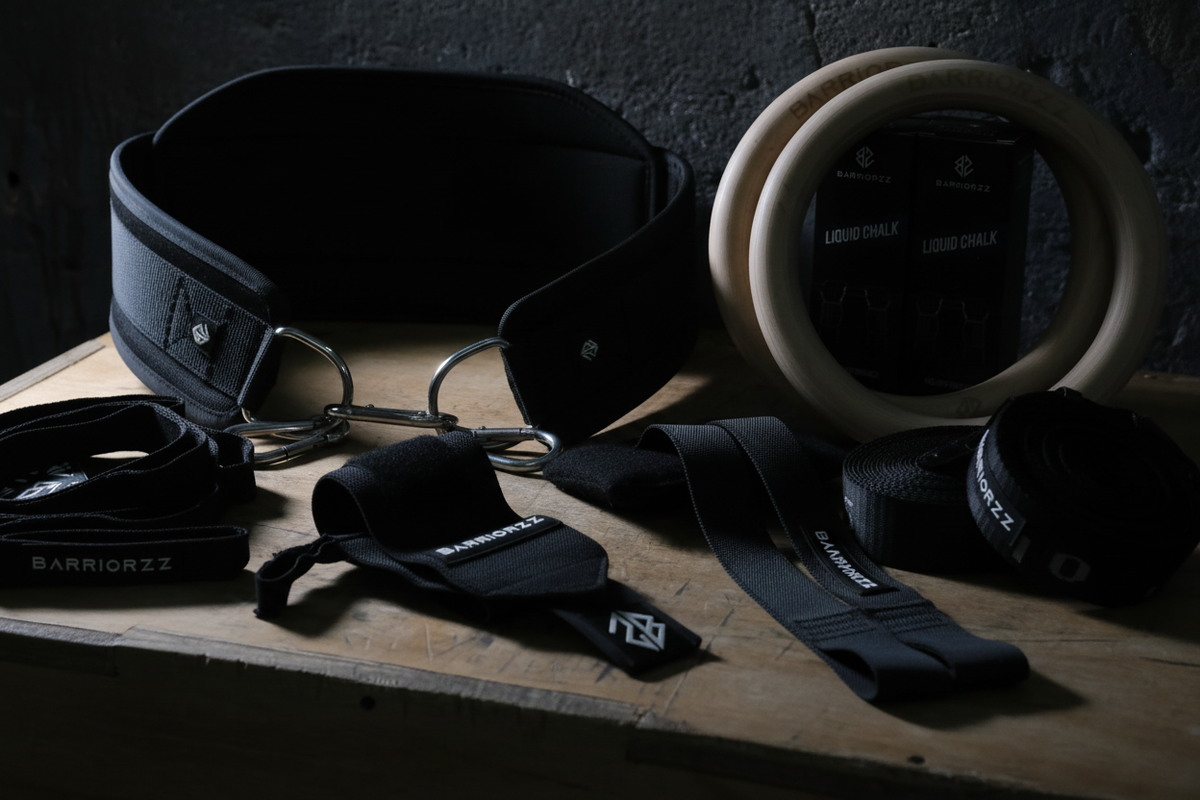
The way weight hangs from your belt has a direct effect on comfort and control during dips and pull-ups. This mostly comes down to two options: a chain or a chainless attachment (usually a strap, rope, or webbing-style connector).
Chain attachments
A steel chain is the traditional choice, and for good reason: it's extremely strong, doesn't stretch under load, and lets you add or remove weight plates in small, precise increments. The tradeoff is that a chain can occasionally hit against your legs during certain movements if it's not sitting correctly, especially during high-rep sets.
Chainless (rope or strap) attachments
A chainless setup, like a battle rope or heavy-duty webbing, sits softer against the body and eliminates that occasional metal-on-leg contact entirely. It's a popular choice for people training in shorts or joggers who want to avoid any risk of the material catching or bruising. The tradeoff is generally less precision when it comes to micro-adjusting weight compared to a chain.
Neither option is objectively better — it comes down to what you're loading (plates vs. a single fixed weight) and personal comfort. If you're not sure which suits you, our breakdown on Battle Rope vs. Chain: Which Dip Belt Attachment Should You Use? goes deeper into the tradeoffs of each.
What else to check before buying
Material and stitching
The strap itself should be made from a sturdy material like nylon or leather that won't stretch or warp under repeated heavy loading. Cheap belts often fail at the stitching first, long before the strap itself wears out, so it's worth checking how the belt is reinforced at stress points.
Padding
A belt with little to no padding will start digging into your hips the moment you add real weight, especially on longer sets. Look for a belt with padding that's thick enough to distribute pressure evenly without being so bulky it restricts your range of motion.
Buckle security
The buckle is what keeps everything in place while you're mid-rep with weight hanging below you, so it needs to hold firm without slipping loose under tension. A buckle that requires constant readjustment mid-set is more than an inconvenience — it's a safety issue.
Weight capacity
Check the belt's maximum rated load before you buy, especially if you're planning to work toward heavier weighted dips and pull-ups over time. It's better to buy a belt rated well above what you currently lift than to outgrow it within a few months.
Versatility beyond dips and pull-ups
A well-built dip belt isn't limited to dips and pull-ups — many lifters also use theirs for weighted squats, lunges, or carries. If you want a belt that pulls double duty, it's worth checking whether the attachment style and build quality hold up for these other uses too.
Dip Belt Pro vs. Premium Dip Belt: which one fits you?
If you're choosing between our own two models, it comes down to how you plan to train. The Dip Belt Pro is built as an all-around option with color choices to match your setup, while the Premium Dip Belt is our more budget-friendly build for lifters who want the core functionality without the extras. Both support chain and battle rope attachment options, so the choice mainly comes down to fit, style, and price point.
Conclusion
A dip belt is a small purchase that gets used constantly once you own one, so it's worth taking the extra few minutes to get the right one rather than the cheapest one. Decide between chain and chainless based on how you train and what you're wearing, then check padding, stitching, and weight capacity before you commit. Get those right, and it's a piece of equipment you'll be using for years.