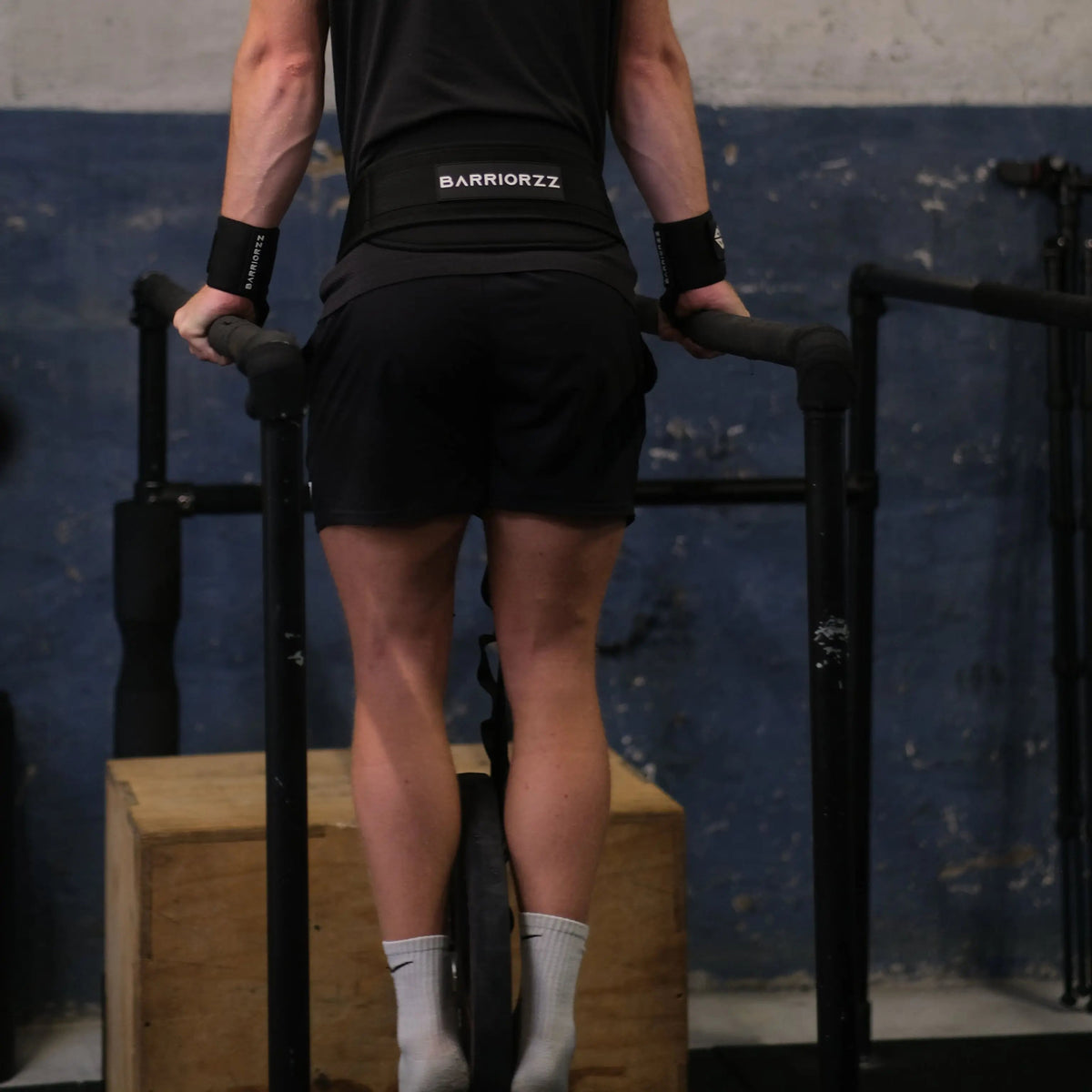

If you've been training with push-ups, dips, and pull-ups for a while, you know the feeling: at some point, bodyweight exercises become too easy. Your reps keep climbing, but your strength gains start to plateau. This is exactly the moment a dip belt becomes essential.
What is progressive overload and why does it matter?
Progressive overload simply means gradually exposing your muscles to more resistance, forcing them to adapt and get stronger. With weightlifting, you do this by adding plates to the bar. With calisthenics, that's trickier, since your bodyweight stays (roughly) constant. A dip belt solves this problem: you can add extra weight to exercises like dips and pull-ups, exactly the way you would with a barbell.
Why a dip belt beats a weighted vest
Many athletes reach for a weighted vest to add resistance, but it comes with downsides: the weight is spread across your entire upper body, which makes exercises like push-ups less controlled and puts extra strain on your neck and lower back. A dip belt, on the other hand, hangs the weight low at your hips, close to your center of gravity. This gives you:
- Better balance and control during dips and pull-ups
- Less strain on your lower back and neck
- Precise weight increments in small, manageable steps
- Full freedom of movement in your shoulders and chest
How to progressively build up with a dip belt
- Start with bodyweight only. Make sure you can do at least 10–12 clean dips or pull-ups before adding extra weight.
- Add a small amount of weight. Start with 5–10 lbs and work toward 3 sets of 6–8 reps.
- Increase gradually. Only add weight once you can comfortably hit 8+ reps with good form.
- Keep a training log. Track weight and reps per session so you can see your progress in black and white.
- Use it beyond dips and pull-ups. Try the belt for weighted squats or lunges too.
What makes a good dip belt?
Not all dip belts are created equal. When choosing one, look for:
- Sturdy material like nylon or leather that won't stretch under load
- A strong, stainless steel chain that can handle heavy loads
- Comfortable padding around the hips so it doesn't dig in during long sets
- A reliable buckle that won't slip under tension
The Dip Belt Pro is built exactly with this in mind: a combination of durability, comfort, and safety, so you can focus on lifting instead of worrying about your gear.
Conclusion
If you're serious about continuing to make progress in your calisthenics journey, a dip belt isn't a luxury — it's a necessity. It lets you train progressively heavier in a safe, controlled way, just like weightlifters do with a barbell. Start small, build up gradually, and watch your strength keep climbing, week after week.